
Creative Lessons From Closing an Antarctic Science Camp
Always comparing art and life — as if they're different.

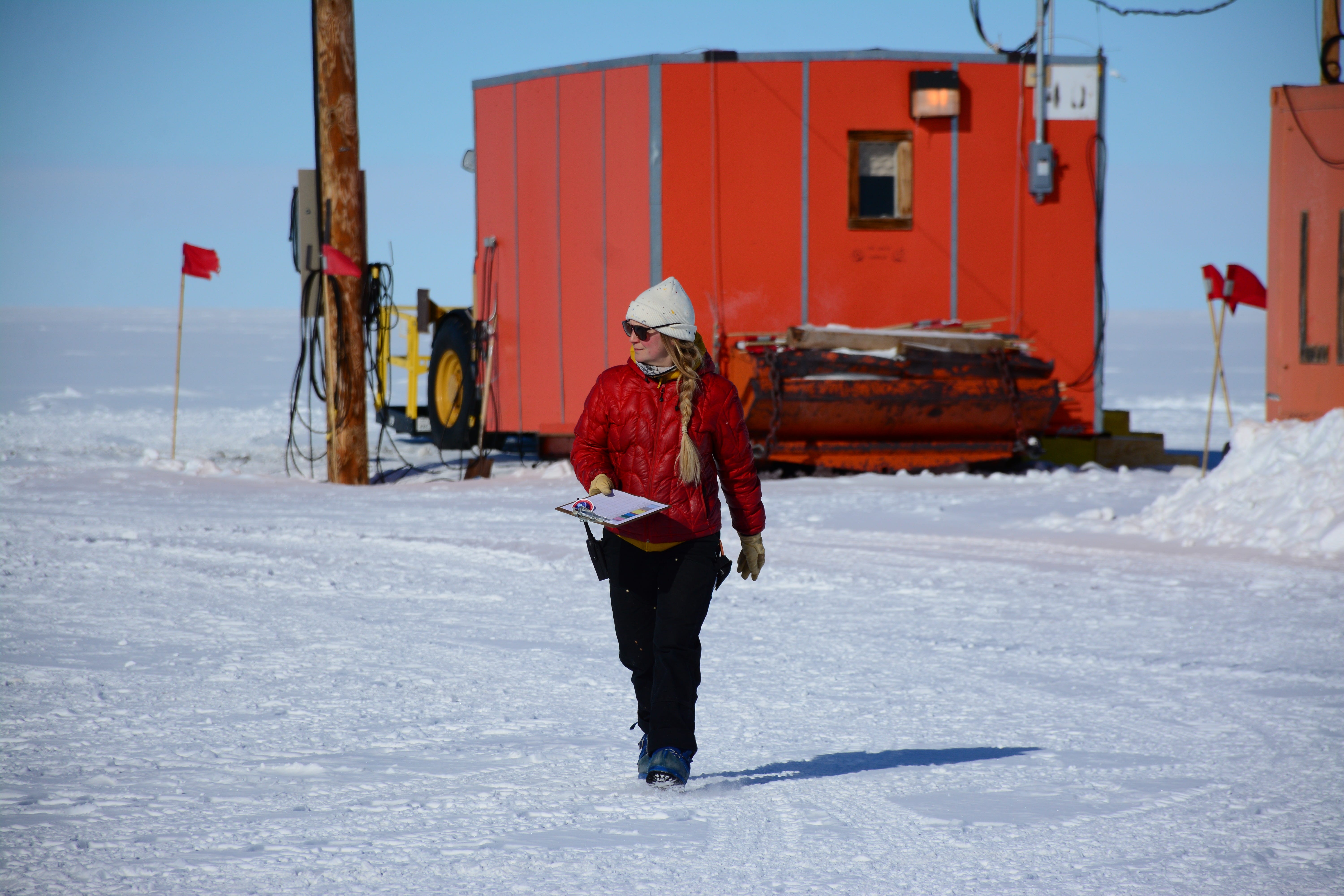
As my fifth (!) season in Antarctica comes to a long drawn-out close, I have the ultra-rare luxury of spare time to think and reflect. Myself and 80 others were supposed to fly off this frigid continent six days ago but we’re stuck in the all-too-familiar delay cycle of planes’ mechanical issues, weather cancellations, and equipment shortages. Disappointingly, I’ve had to cancel a week-long trip with a dear friend and fellow cake artist in Queenstown, New Zealand that I’ve been looking forward to for months. On the plus side, I’ll leave knowing I’ve left my supervisor in a better position while also soaking up a bit more time with friends here, another week of salary in my pocket, and the headspace to mull over all I’ve learned from the last four months hanging off the bottom of the planet.
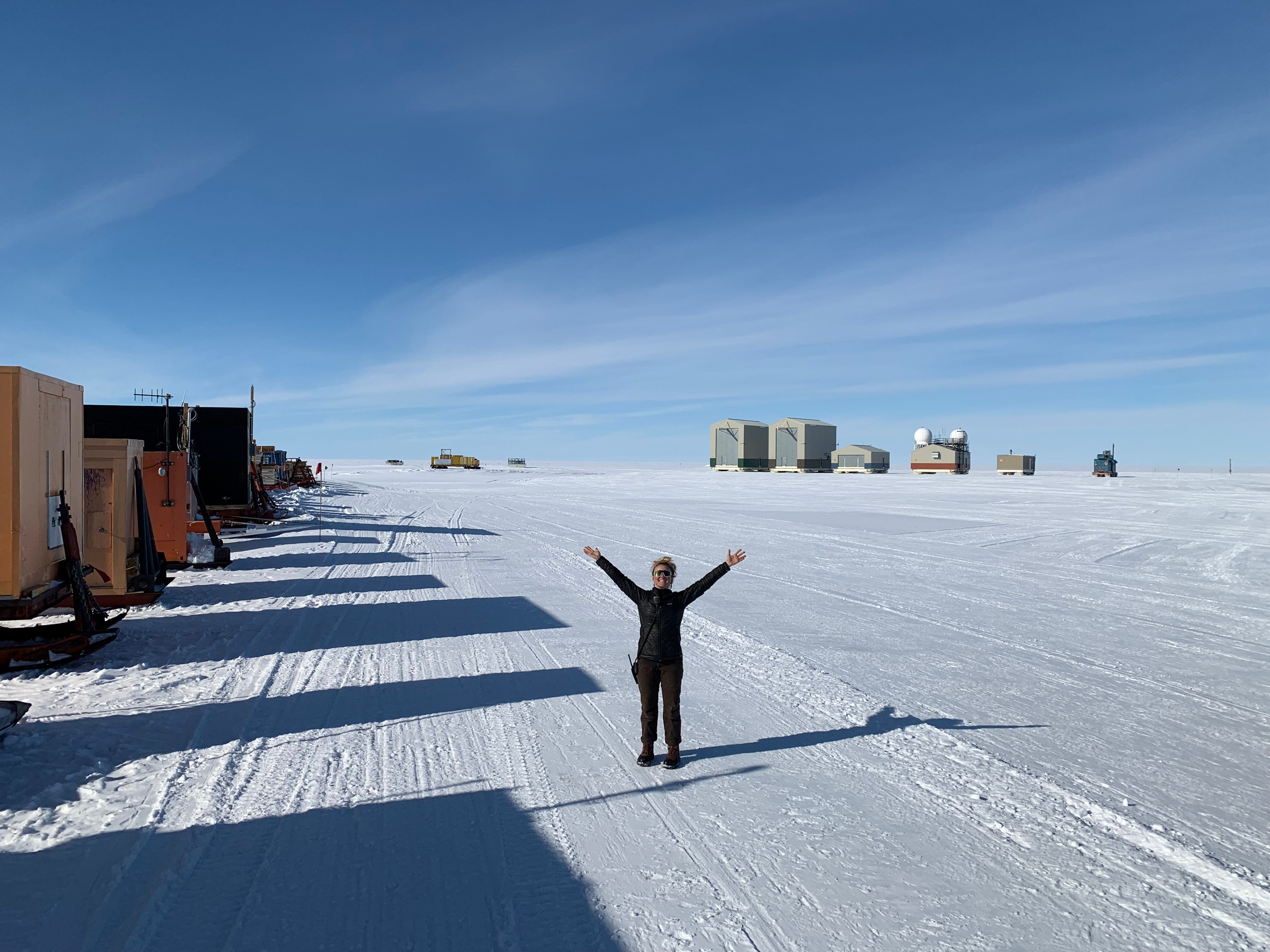
For those of you who follow my Instagram, you saw pictures of our extensive close-out process for the Long Duration Balloon camp (LDB) that I help manage on the Ross Ice Shelf. Nine miles down the compacted snow roads from McMurdo Station, our facility launches 40-60 million cubic foot balloons (each can fit an entire football stadium inside!) that lift up to 8,000 pounds of custom-designed science instrumentation 120,000-160,000 feet into near-space — circling the continent at the edge of the stratosphere. In order to support our team of 45-60 scientists, engineers, and staff, we spend weeks at the beginning and end of each season to fully assemble and disassemble the entire camp.
Despite its extraordinary amount of work, the entire break-down process is a period my boss and I look forward to each year. With all of our grantees having departed for the season, our heady often-stressful science support role shifts into a more lighthearted and physical work based partnership with our extensive trades teams. We all take time to cram into a 10’ x 8’ warming shack together to eat hot sandwiches for lunch, we photograph the inventive ways plumbers try to keep their faces warm in piercing winds, we burst into laughter as the electricians and linemen rib each other about who works harder, and — while maintaining our perfect safety record — we may throw in a few fabulous dance moves while directing our steel-tracked forked loader.
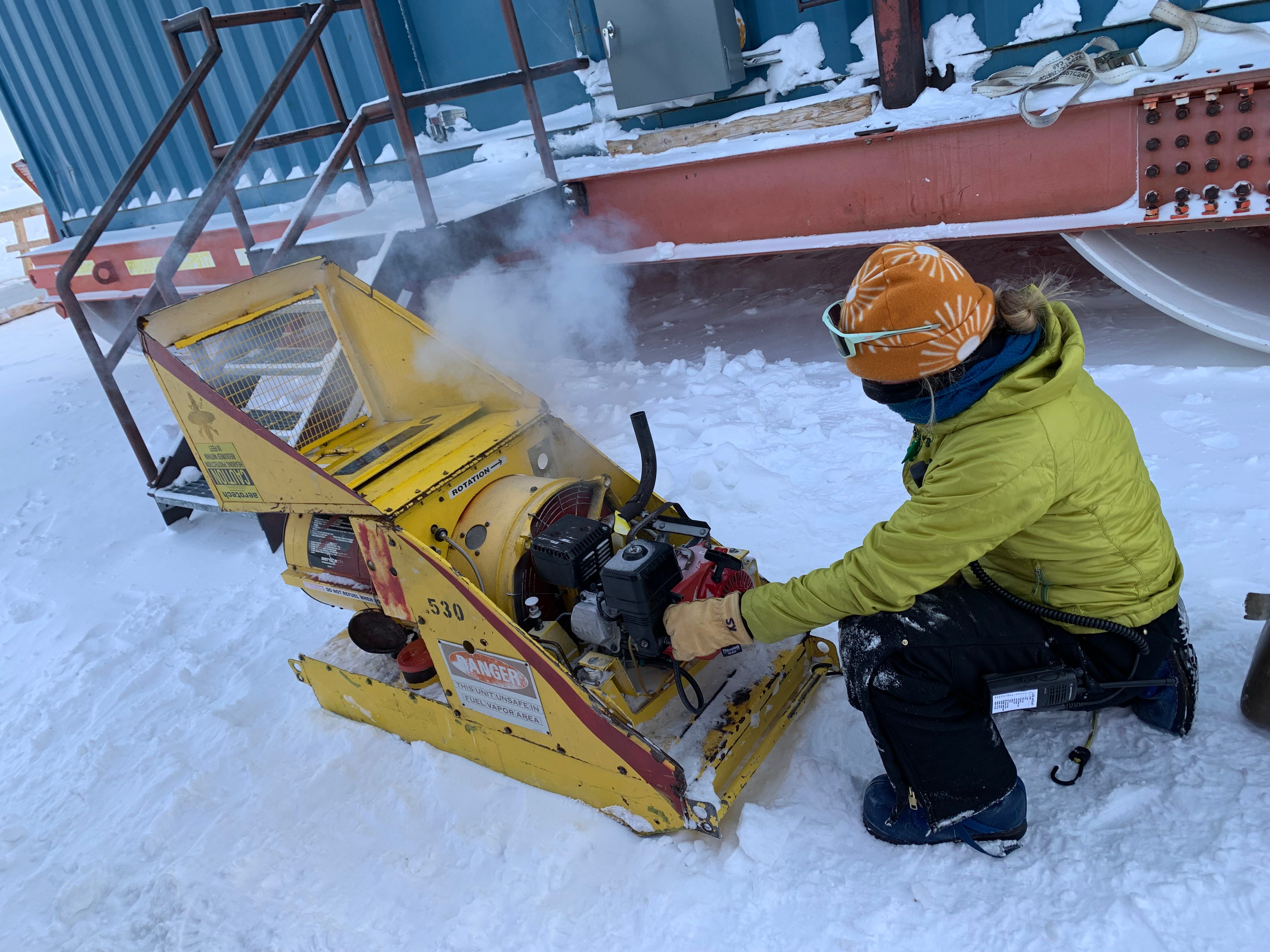
Over the last few weeks, I’ve caught myself comparing camp close-out to my creative process. Wanting to remember these for my own brain, I started thumb-clicking notes into my cold phone between outhouse forking, glycol system draining, and cargo strapping. Standing in the middle of our empty camp — feeling the wild joy and satisfaction of another successful season — I decided to share my list here.
FLEXIBILITY IS LONGEVITY
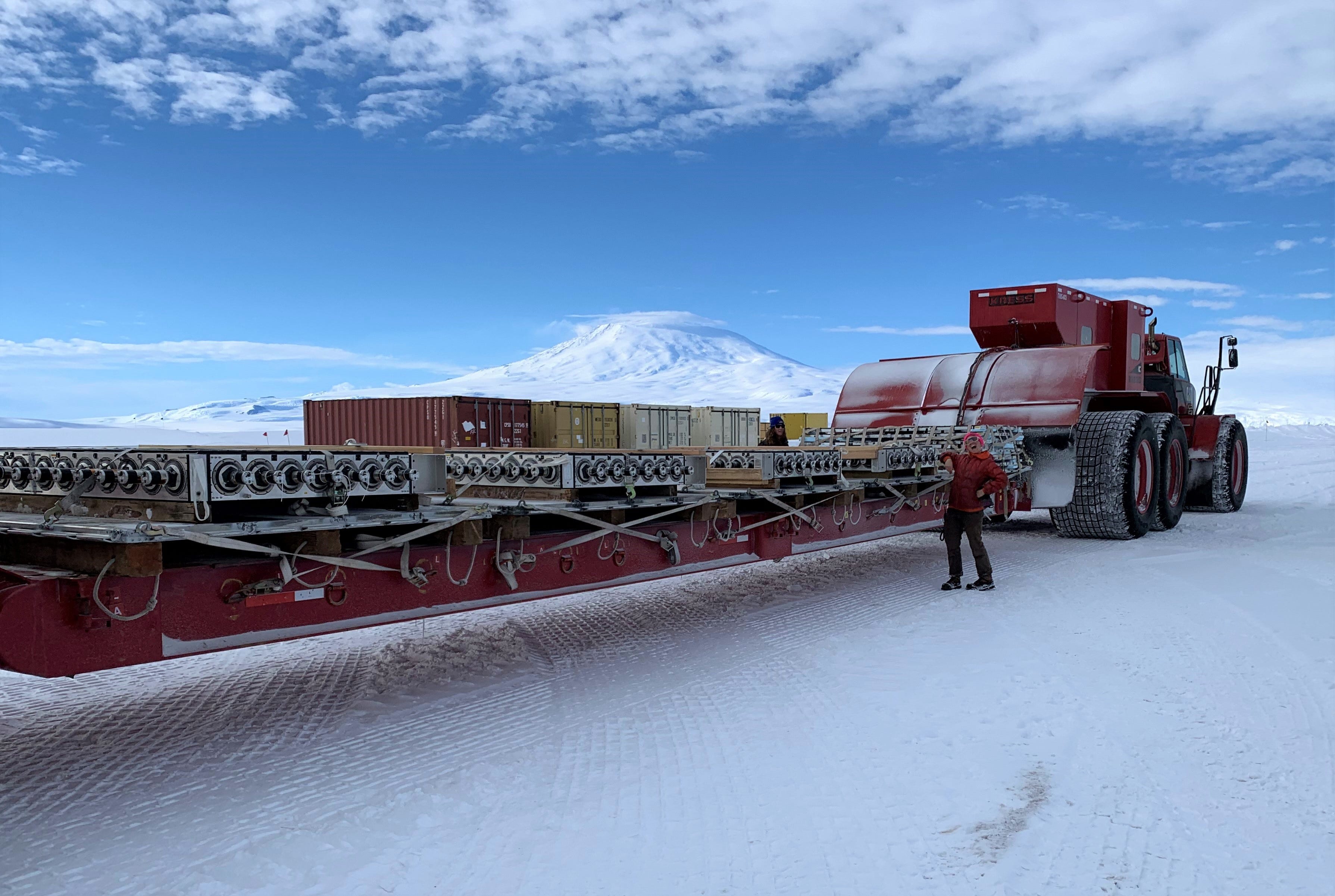
The most valuable lesson any of us learn while working in Antarctica is to stay flexible. Despite immense planning from hundreds of people every year, almost nothing goes as planned. Flights cancel, equipment breaks, positions switch, confirmed objectives get replaced, and missions are constantly revised. If you can’t stay flexible, you don’t last. Remaining flexible and agile in my creative process keeps me calm when things don’t go as I want or expect. When I’m getting flustered, I have to remember that new ideas will always come, weak concepts will gain innovative muscle, deciding to change course is brave, and pivoting is a skill best practiced, not avoided.
Making a plan and having it change 34562978463987364 times forces you to learn how to roll with the punches in a way that few other jobs can better prepare you for.
Constantly having to brainstorm new ways to do this job keeps my mind and emotions malleable enough to conceptualize new ideas for communicating polar science through cake.
“One of my favorite things to do to “warm up” my own creativity — especially during winters and quieter periods — is to reach out to other artists that I admire and tell them exactly why I appreciate their work.”
SET YOURSELF UP FOR THE NEXT SEASON
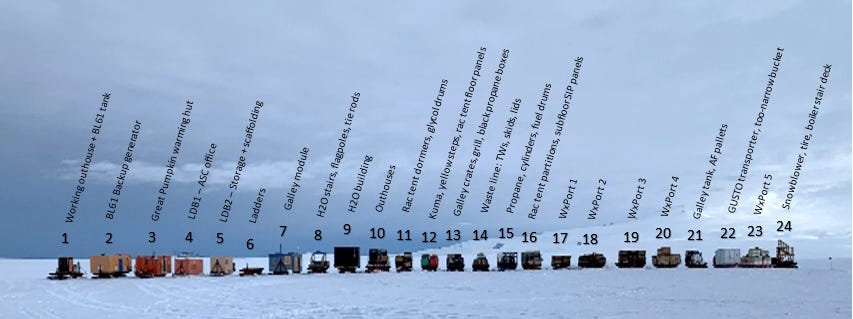
I’ve been wildly lucky to have Kaija Webster as my boss, mentor, and coach me over the last three years. During this time, I’ve recognized her never-ending pursuit for how to best set ourselves up for the future. With more than a decade of Antarctic deep field management, this woman is a continental expert in forward-thinking, debriefing team projects, and improving systems.
In the same way Kaija’s taught me to prep our camp for the very best re-opening the next year, I know I can better prepare my creative work to make little things easier for myself in the future.
As camp managers, we strap ladders to the fronts of buildings so they’re easily accessible eight months later. As artists, we can create vision boards to make old ideas and new work more accessible to our future selves. At camp, we put all of our buildings and equipment up on large snow berms in February to reduce an immense dig-out in October. In my “studio” (read: a desk next to my twin dorm bed at McMurdo Station) I’ve made a list of art grants and residencies I want to apply for with email-notifying calendar deadlines that reduce my mental “dig”. At LDB, we pre-order and stage full propane tanks and heaters to help first warm the buildings after a long frozen winter. One of my favorite things to do to “warm up” my own creativity — especially during winters and quieter periods — is to reach out to other artists that I admire and tell them exactly why I appreciate their work. Surprisingly, these have often turned into substantial relationships, some of which have changed my life. My friendships with Jill Pelto and Klara Maisch both started with a simple online note during covid times.
Find the little things that will make your creative process that much easier in the next season and keep your creative heart warm.
BRACE FOR IMPACT
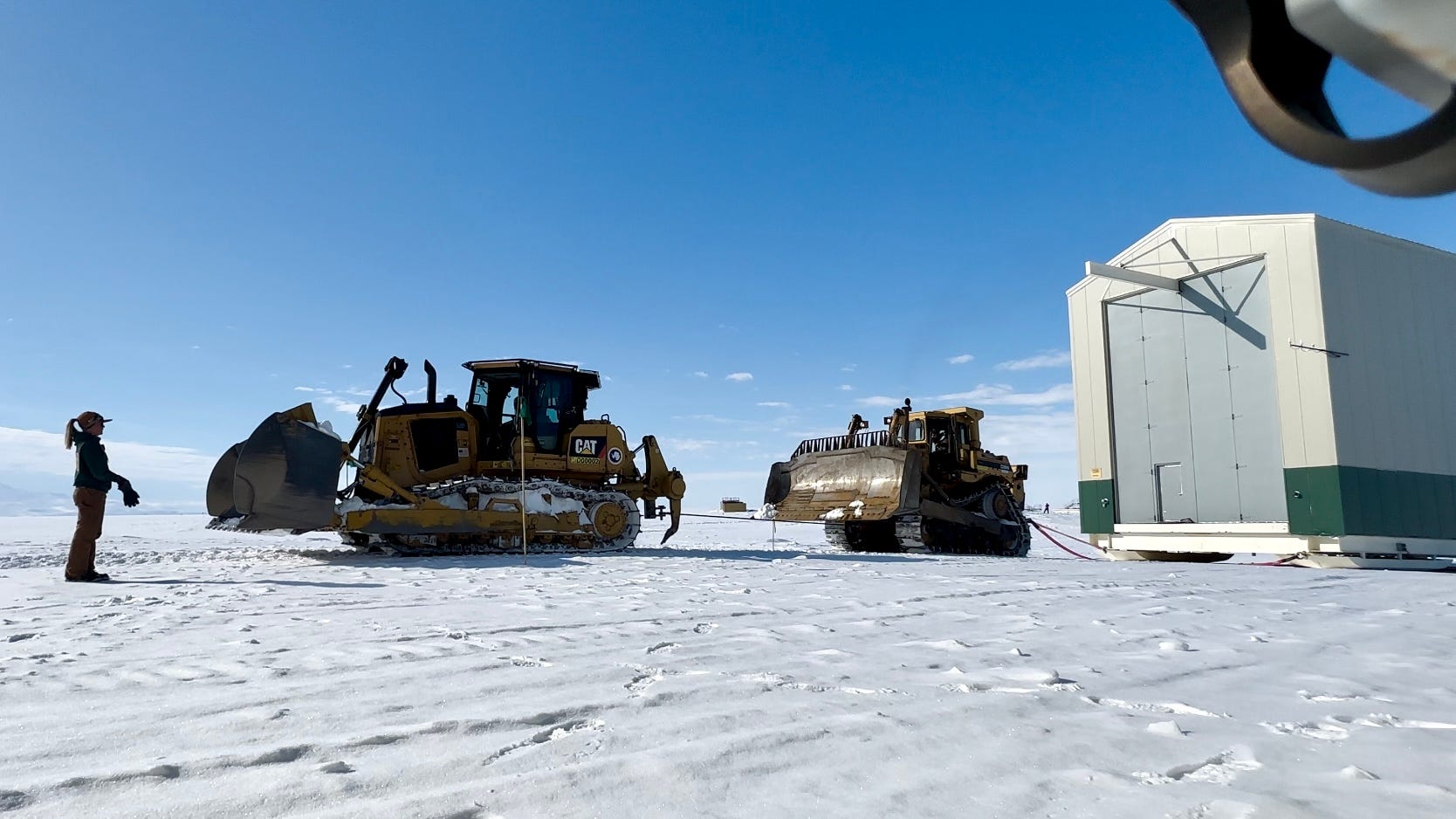
Our two science buildings — the world’s tallest on skis — each weigh 160,000 pounds. If we left them in place over multiple winters, they’d eventually become entirely buried by snow. Instead, we use a forklift to pop the skis out of the snow-turned-ice underneath, connect heavy-duty rigging to two massive bulldozers, and pull them from their places up onto snow berms so we can easily access them next year. This pull puts such a shock load on the buildings that we have to strap everything inside of them to prevent damage.
I recognized the hopeful knot in my stomach as we prepared to move our buildings this year as the same feeling I get when I launch anything from the smallest social media post to the biggest completed cake collection.
In the same way we brace for failure (“What if everyone hates my work? What if it doesn’t speak to people?”), we also brace for hope — that our art and words will resonate with our community and have the meaningful impact we intended.
This year, we successfully moved our science buildings with zero damage.
CLEAN OUT THE HIDDEN SPOTS
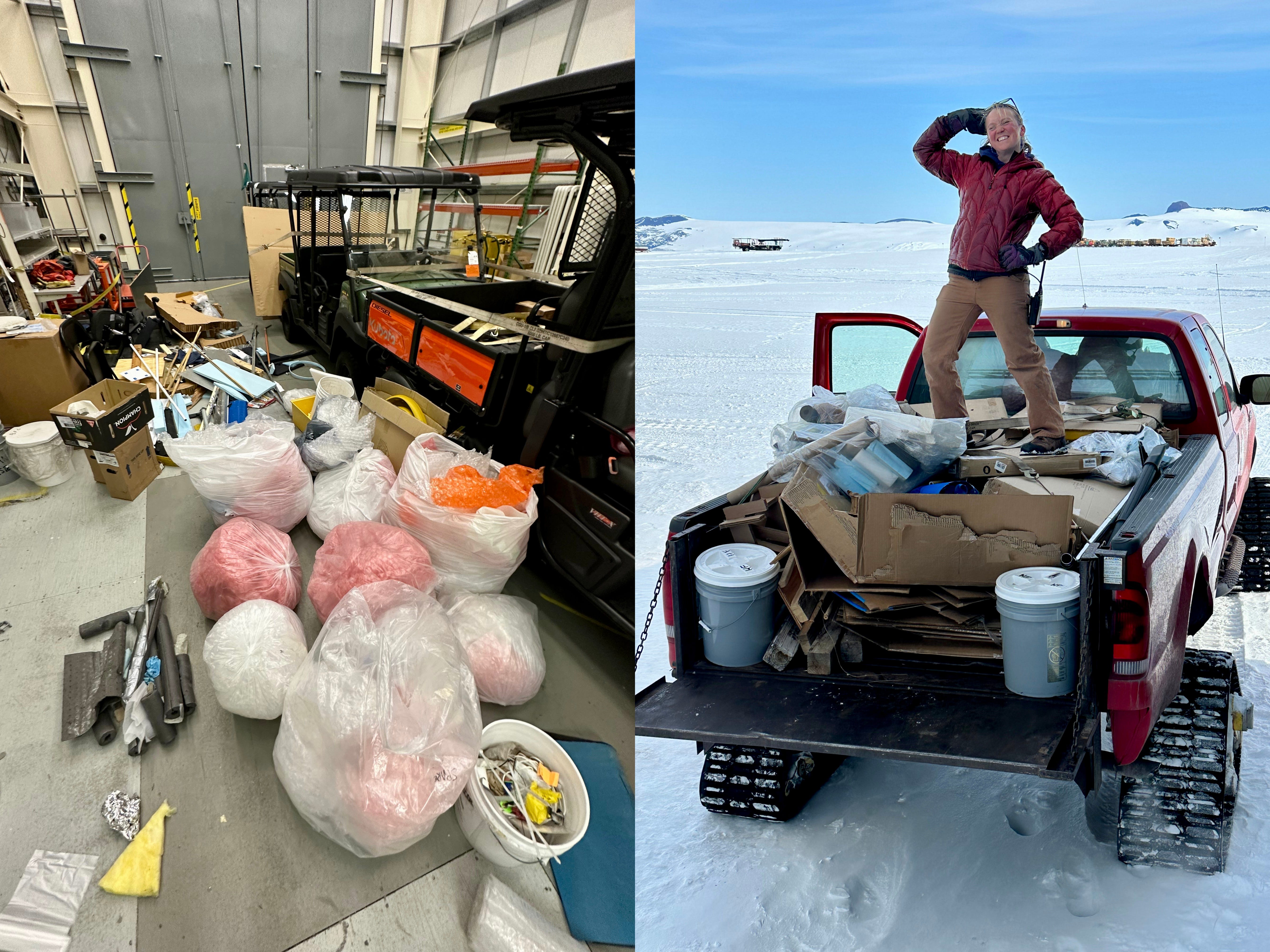
On a whim of boredom, I started a deep clean project of our science buildings that turned into a three-day blowout. As I discovered hidden emergency supplies like a five-gallon toilet bucket and freeze-dried food pouches along with outdated electronics and unnecessary broken furniture, I wondered how long it had been since the staircase underbelly had been cleaned out and organized. As my colleague shouted in laughter with a magazine from 2011, we had our answer.
Over these three days, I realized I should really do a deep clean of my own creative files: reorganize my Google Drive, purge old resumes that confuse me and clutter my search results, get all my photos in one place, appropriately name my grant applications and written documents, and prepare my financial history for the next round of taxes and project pitches.
This month, clean out what’s hiding in plain sight. (I hope for your sake that it’s not a toilet bucket.)
LEARN EVERYTHING YOU CAN FROM ALL THOSE AROUND YOU
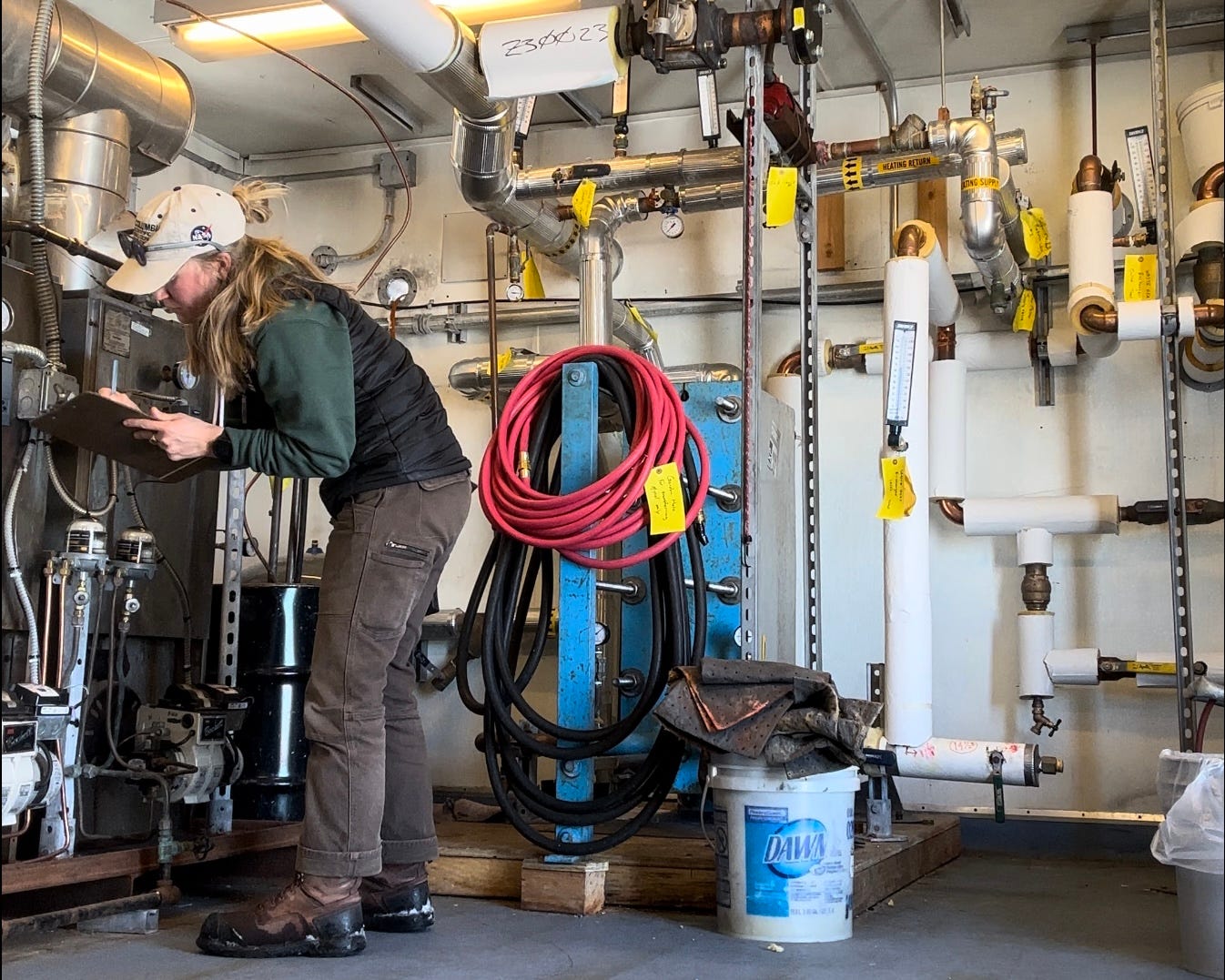
I was a pastry chef when I first started working at this camp in 2019. Among other specialty skills, I knew how to work in kitchens, design thoughtful menus, direct a culinary staff, and use food to make everyday life feel special. Now, as our camp’s lead field coordinator, I know the difference between propylene and ethylene glycol. I know how a waste heat exchanger works. I know how to troubleshoot boiler problems. I know how to operate a Kubota tractor, an F350 Mattrack, a Cat 973D loader with a bucket and forks, and a Cat 289D3 Skid Steer — and how to pull attached snow grooming drags, sleds of cargo, or entire buildings on skis. I know how to take snow core samples to assess launch pad compaction levels and how to help make safe weather decisions for a large team. I know how to fix a urinal’s gasket fitting and how to attach 20 foot shipping containers onto tiny locking mechanisms on a flatbed cargo vehicle.
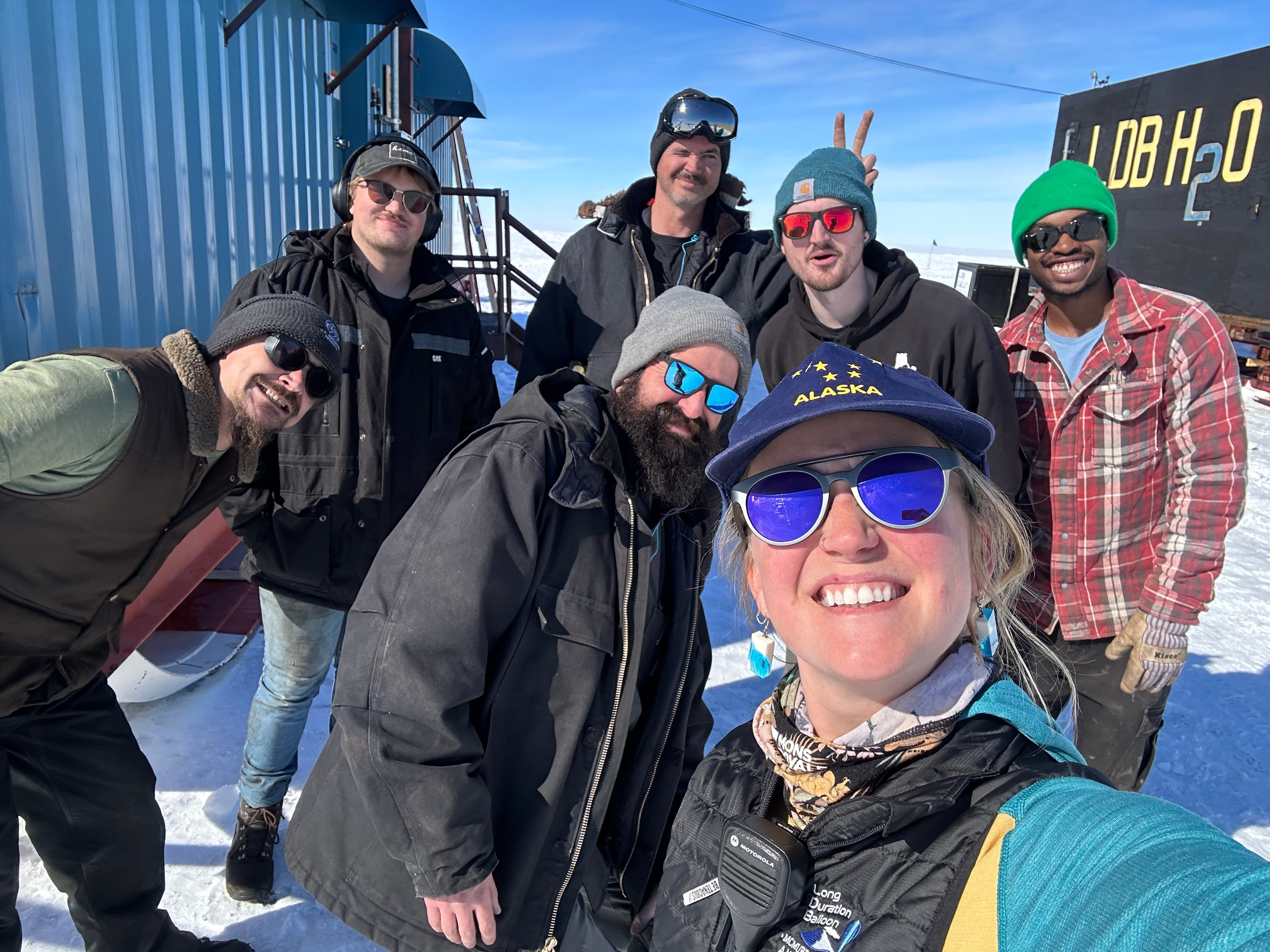
Granted, we have trades teams that do a lot of work for us. But by staying curious and owning what I don’t know, they’ve been generously willing to teach me. Instead of letting them do the work while I go about my business, I’ve made it my goal to ask a lot of questions until I genuinely understand what they’re fixing or working on. It’s made me better at my job and a better support for them when needs arise at our facility.
In the same way I’ve learned from the expertise of our carpenters, plumbers, generator mechanics, electricians, boiler technicians, heavy equipment operators, etc., I’ve also learned how to be a better artist and visual storyteller from chefs and cake designers, scientists, painters, sculptors, musicians, illustrators, podcast hosts, authors, and glacier guides.
There is no shortage of multidisciplinary makers to learn from and it’s been grounding to see that a lot of them are figuring it all out at the same rate I am.
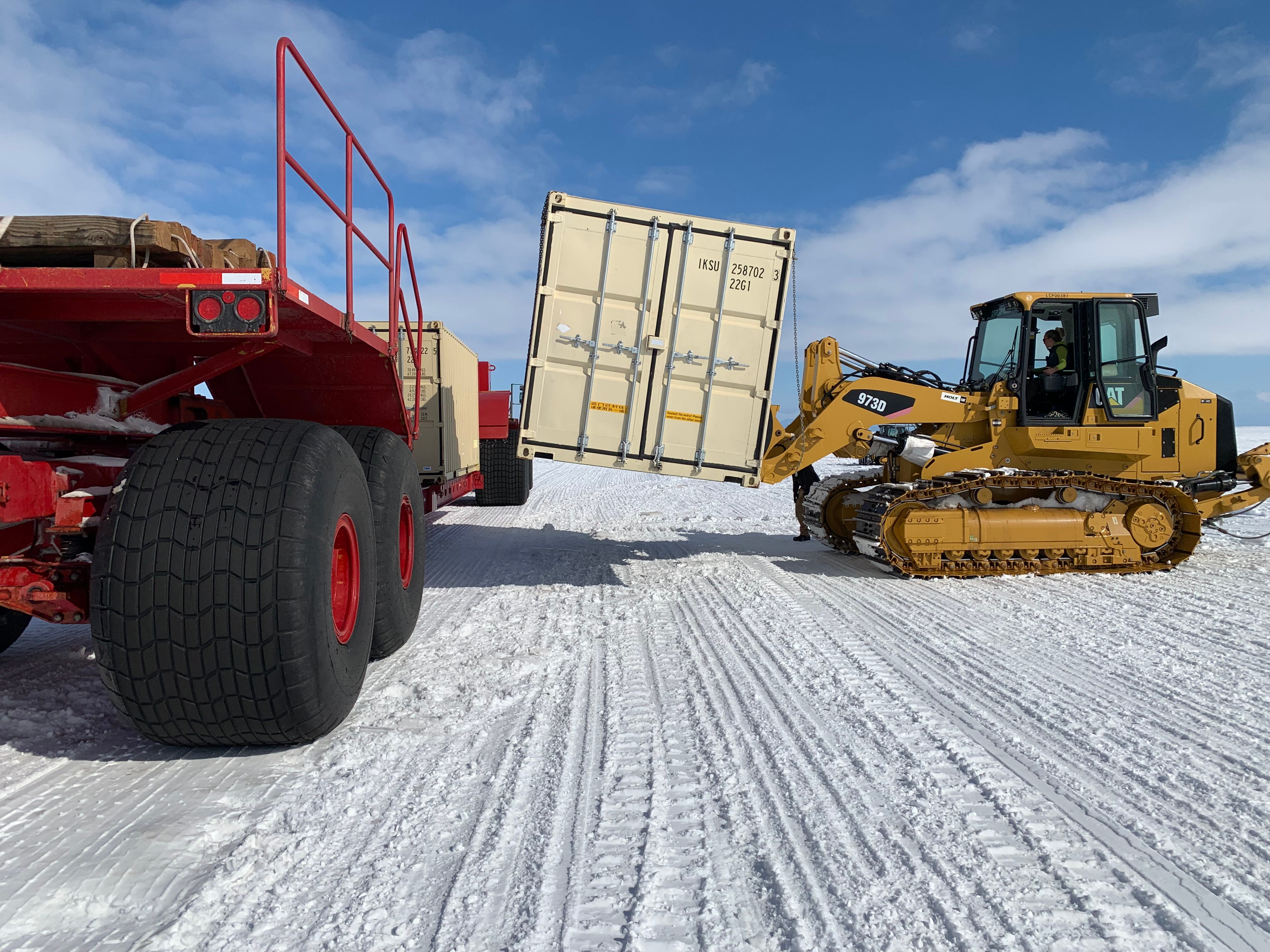
KNOW THE WEIGHT OF YOUR LOAD & WHAT YOU NEED TO MOVE IT
If we’re forking a wooden pallet of four fuel drums, we can use our compact Skid Steer. If we’re moving a 20’ shipping container full of cargo, we need the lifting capacity of our much-larger 973D loader. If we’re pulling 160,000 pound buildings on skis, we need two powerhouse bulldozers, thick shackles, and high-intensity towing cables.
When my creative load is heavy, I need all forces on deck to help me lift it. I need support from my friends and partner, I need good sleep, I need gallons of coffee, I need visual inspiration, I need spicy vegetables and wine, and I need music to dance to and help move the creative flow out of my body. Even when my creative load is lighter, I still need relationships with other artists, relationship with the outdoors to pull inspiration, and relationship with myself to nurture that creative spirit.
What resources do you need to lift your creative project right now?
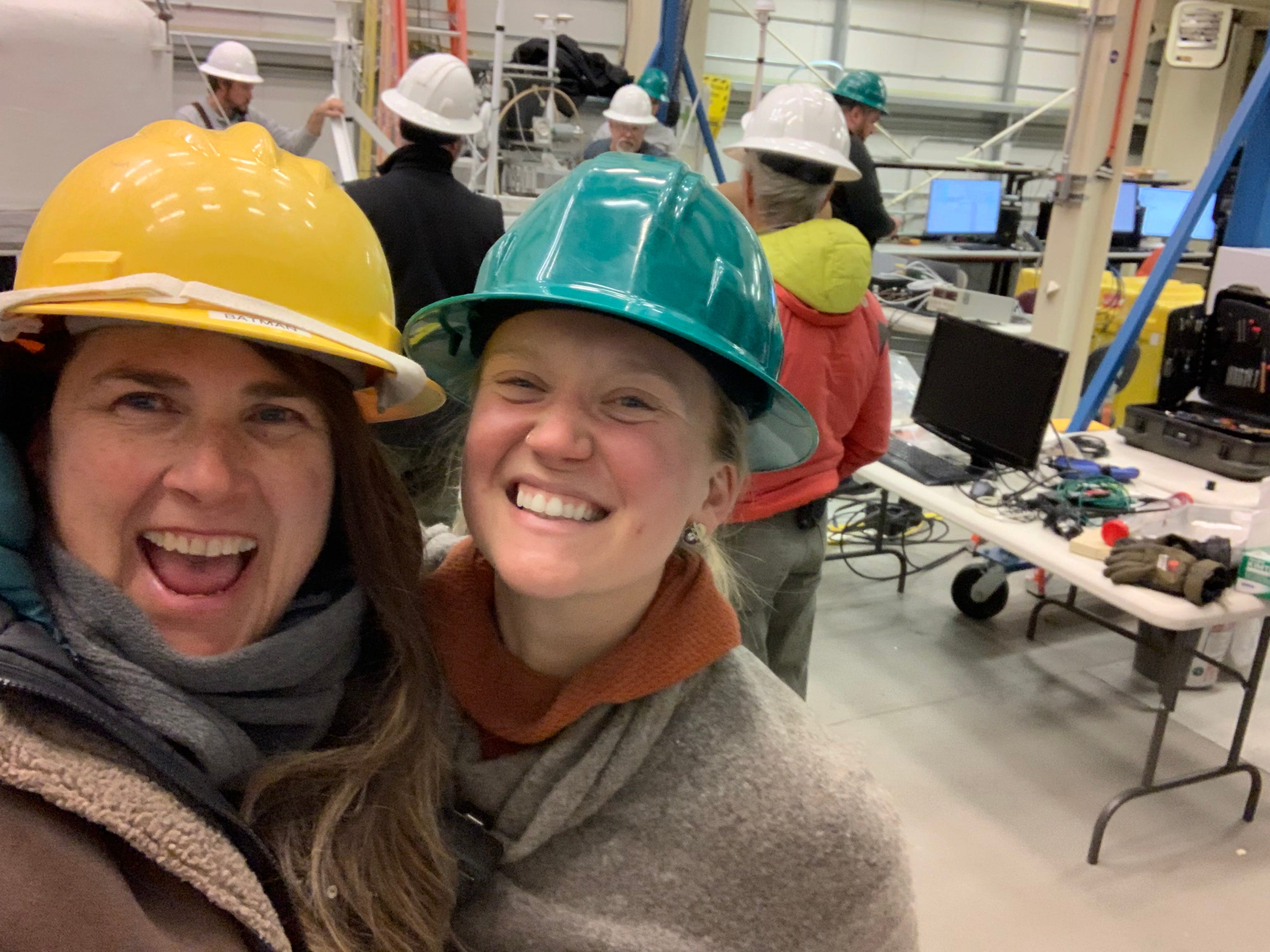
DOCUMENT EVERYTHING (INCLUDING YOURSELF)
Kaija’s also shown me the power of documenting everything at our facility — every pipe fitting, every scientific research battery cable, every fuel tank gauge, and every stage of every process of every camp close-out. We’ve also spent weeks and weeks at the end of this season building spreadsheets and documents that record our full inventory lists, seasonal lessons learned, improvements made, projects that need doing in the future, and information from debriefs that we hold with all of our different teams. The number of times that we refer to those photos and records has shocked me.
Running this NASA camp has taught me to keep better records for my creative pursuits as well. Writing notes after each art project with details that I know I’ll forget shortly after I finish: recipes/flavor pairings, things I’d change if I do it again, how I’m feeling about the work in that moment, tools that would have been helpful, thoughts from participants/collaborators, and specific budget notes. Performing this debrief with myself — like I also learned to do on our Antarctic Winter Search and Rescue team in 2020 — has been a game changer for my own planning process.
When I’m submitting portfolio work, I always wish I had better photographs — with different lighting or from more angles or at a different moment. I try to take more photos than I know what to do with, as I never know what I’ll end up wanting or needing. I almost never delete photos, even the ones of myself that make me cringe, because it’s wildly inspiring and powerful to look back years later to see the challenge that you pushed through in that specific moment — whether you were making art or closing down a scientific research camp in the middle of nowhere, Antarctica.
Thank you for reading and sharing my writing! To receive new posts and support my work, please become a free or paid subscriber and follow me on IG @rosemcadoo.
Thank you so much for these thoughts! I also always wish for more information from past projects and I'm trying really hard with my current show to make note of what worked, what didn't, what days needed additional time - so that during my next show, I can find even more things to make me better at my job, at my art.
What an epic mission and adventure! ❄️